The Mazatlán Ambush: Ramón Arellano Félix and the Mystery of His Final Hours
Ramón Arellano Félix spent years as one of Mexico’s most feared fugitives. Known as the violent enforcer of the Tijuana Cartel, he operated at the center of a criminal empire that controlled a crucial corridor between Mexico and the United States. His career was defined by intimidation, rivalries, and an ability to avoid capture.
Yet his story ended in a setting that seemed almost ordinary: a street in Mazatlán during carnival season, after a local traffic officer stopped the vehicle he was driving. The official account describes a routine interaction that escalated into a gunfight. The circumstances have continued to invite a darker question: was his location revealed to someone who wanted him found?
The Enforcer Behind the Tijuana Cartel
Born in Culiacán, Sinaloa, in 1964, Ramón grew up in the family that would become one of Mexico’s most powerful criminal dynasties. After the arrest of Miguel Ángel Félix Gallardo in 1989 fractured an older trafficking network, the Arellano Félix brothers consolidated control over Tijuana and its surrounding routes.
The family’s roles were often described as sharply divided. Benjamín Arellano Félix was regarded as the strategist and financial manager. Ramón represented the organization’s coercive arm. He supervised gunmen, organized attacks against rivals, and enforced the family’s authority through violence.
That division helped the Tijuana Cartel grow into a major trafficking organization during the 1990s. Its border position offered access to one of the most lucrative drug markets in the world, while its network relied on transportation infrastructure, hidden shipments, tunnels, modified vehicles, and alleged corruption. The organization’s influence was matched by its reputation for brutality.
Violence, Rivals, and a Growing Manhunt
Ramón’s name became associated with murders, retaliatory attacks, and conflicts over territory. One of the most notorious episodes connected to the Tijuana Cartel was the 1993 attack at Guadalajara airport, where gunmen were seeking Joaquín “El Chapo” Guzmán. The chaotic confrontation killed several people, including Cardinal Juan Jesús Posadas Ocampo, and brought intense national and international scrutiny.
After that episode, Ramón became a priority target for Mexican and U.S. authorities. He stayed free through constant movement, false identities, safe houses, and a protective network of contacts. But the same reputation that helped him command fear also created vulnerabilities. Rivals wanted him dead, investigators wanted him arrested, and people close to him could see that his position carried enormous risks.
By the end of the 1990s, the Tijuana Cartel was under increasing pressure. Rival organizations, particularly groups associated with the Sinaloa Cartel, challenged its control of border routes. Arrests and killings weakened parts of its network, while law-enforcement investigations made it harder for its leaders to disappear. Internal loyalty became less certain as the organization’s power began to fracture.
Why Ramón Went to Mazatlán
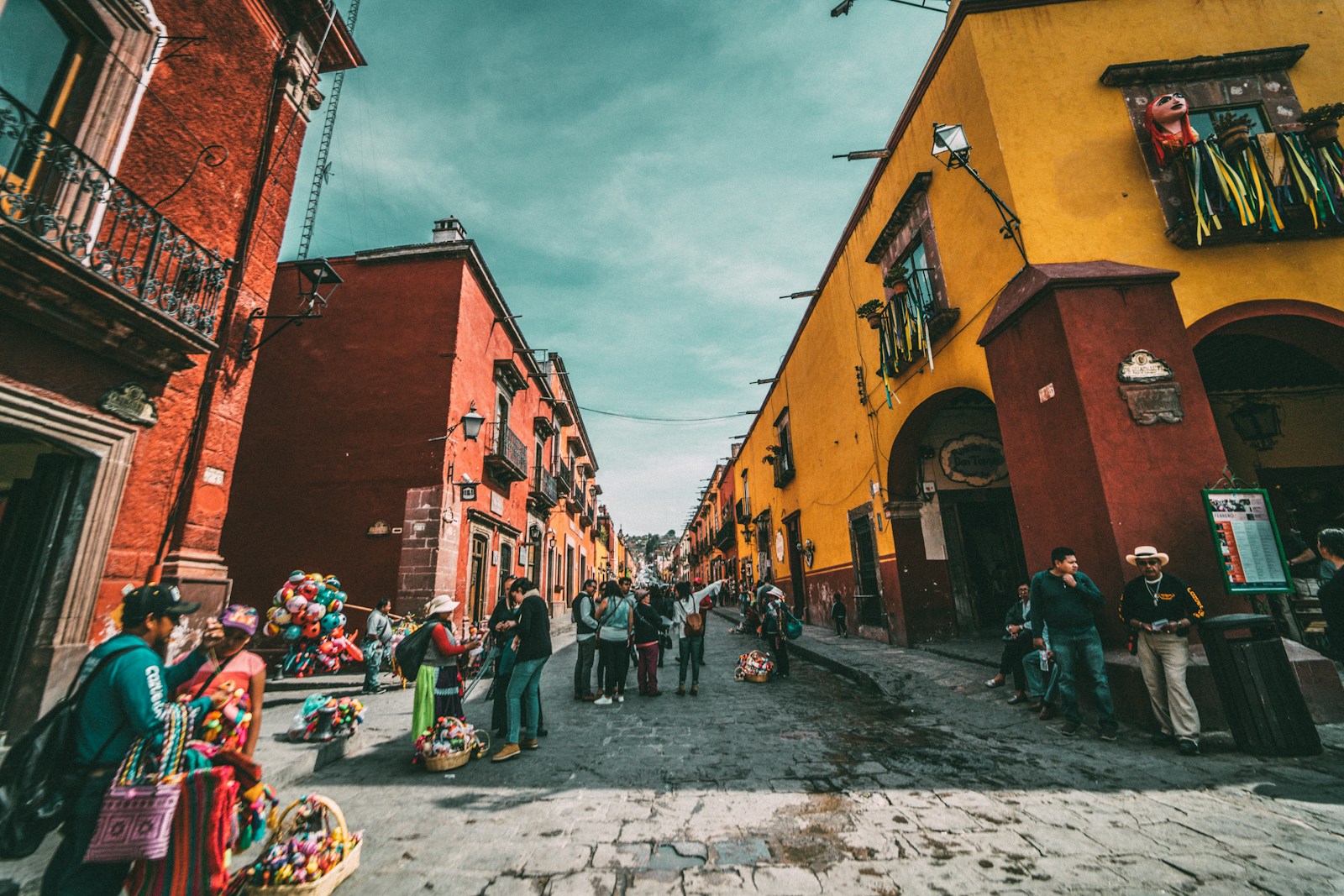
In early February 2002, Ramón arrived in Mazatlán using a false identity. The coastal city was crowded with visitors preparing for its famous carnival, making it an attractive place for someone who wanted to blend into a large public gathering.
His exact reason for being there remains uncertain. One possibility is that he was seeking a short period of rest away from the pressure surrounding Tijuana. Another is that he was meeting contacts or assessing new arrangements as the criminal landscape shifted. A city filled with tourists could provide cover, but it could also create new exposure if the wrong person recognized him or learned where he was staying.
The central mystery is not simply why Ramón chose Mazatlán. It is how information about his presence may have traveled. A fugitive of his stature would have had to limit knowledge of his movements, yet he was soon in a vulnerable position in a city where local authorities could encounter him by chance. That sequence has led to years of speculation about whether his location was passed to rivals or law enforcement.
The Traffic Stop That Ended His Life
On February 10, 2002, Mazatlán was busy with carnival traffic, celebrations, and large crowds. Ramón was driving without the conspicuous convoy that might have accompanied a cartel leader. According to the official version, a traffic officer stopped him over a minor infraction.
At first, the encounter appeared routine. The officer asked for identification and began the usual questioning. Reports say Ramón became nervous, and the situation escalated within seconds. Authorities stated that he drew a weapon, prompting the officer to respond. Gunfire followed, and Ramón was fatally wounded.
The significance of the encounter became clear only after authorities examined the dead man’s identity. The driver was not an ordinary motorist or a minor criminal. He was Ramón Arellano Félix, a leader of the Tijuana Cartel and one of Mexico’s most wanted figures.
The news was striking because the outcome did not resemble the dramatic capture many had expected. Ramón had evaded major investigations and survived conflicts with rival organizations, but his life ended during a brief confrontation that allegedly began with a traffic violation.
The Betrayal Theory
The official account explains how the shooting unfolded, but it does not resolve every question surrounding Ramón’s presence in Mazatlán. Skeptics have focused on the improbability of a fugitive so experienced becoming exposed in such a public and seemingly accidental way.
One theory is that a rival group learned where he was and used that information to place him under pressure. Another is that someone within his own circle disclosed his location. In a large criminal organization, sensitive information can pass through drivers, bodyguards, intermediaries, local contacts, and associates. Each additional person who knows a leader’s movements creates another possible point of failure.
There were also incentives for betrayal. The Tijuana Cartel was losing stability, rivals were expanding, and law-enforcement pressure was rising. A person who feared arrest, wanted money, hoped to gain favor with a competing organization, or sought influence within the cartel might have viewed Ramón’s fall as an opportunity.
None of these theories has been definitively established. The available accounts are shaped by rumor, incomplete information, and the secrecy of organized crime. It is possible that the traffic stop really was an unforeseeable chain of events. It is also possible that the encounter was the final visible step in a process that began with a private disclosure.
A Double Blow to the Organization
Ramón’s death damaged the Tijuana Cartel at a critical moment. He had been more than a senior member: he was the figure associated with the organization’s capacity for direct violence. Removing him created a leadership vacuum and reduced the cartel’s ability to respond quickly to rivals.
The blow was compounded soon afterward. In March 2002, Benjamín Arellano Félix was captured by authorities. Within weeks, the organization had lost both its principal strategist and its most feared enforcer. A family-centered criminal structure could not easily absorb those losses without internal competition and fragmentation.
Over the following years, factions struggled to preserve the cartel’s operations while rival organizations took advantage of its weakening position. The Tijuana Cartel did not disappear immediately, but it no longer held the same dominance it had enjoyed during its peak. Ramón’s death became one of the defining moments in that decline.
What His Final Hours Reveal
Ramón Arellano Félix’s death is remembered because of the contrast between his reputation and his final moments. A man associated with cartel violence, fortified networks, and years of evading capture died after an encounter that appeared mundane until his identity was discovered.
That contrast does not prove that he was betrayed. It does show why the theory has endured. In a criminal organization built on secrecy and fear, power depends on controlling information. Once that control weakens, a leader can become exposed through a rival’s intelligence, an associate’s decision, or a coincidence that no security system can prevent.
Whether Ramón was deliberately delivered into danger or simply made a fatal mistake, his death marked the end of an era for the Tijuana Cartel. It also demonstrated how quickly an apparently unshakable criminal empire can change when its central figures are removed. The most consequential downfall may begin not with a battlefield or a massive raid, but with a small encounter on an ordinary street.